
A Detailed Guide to Upper Assemblies for Large-Frame AR Platforms
The large-frame AR platform is known for its power and versatility, often chambered in calibers like .308 Winchester. At the center of its function is the upper assembly, which holds several key components together. This part directly affects accuracy, recoil, and overall performance. Many users focus on it when planning a build or upgrade. It plays a major role.
Main Components and Their Roles
The upper assembly includes the receiver, barrel, bolt carrier group, and handguard. Each of these parts contributes to how the firearm operates. The barrel length is often longer than smaller platforms, commonly around 18 to 20 inches. This supports higher velocity and better performance at distances beyond 300 yards. Size matters here.
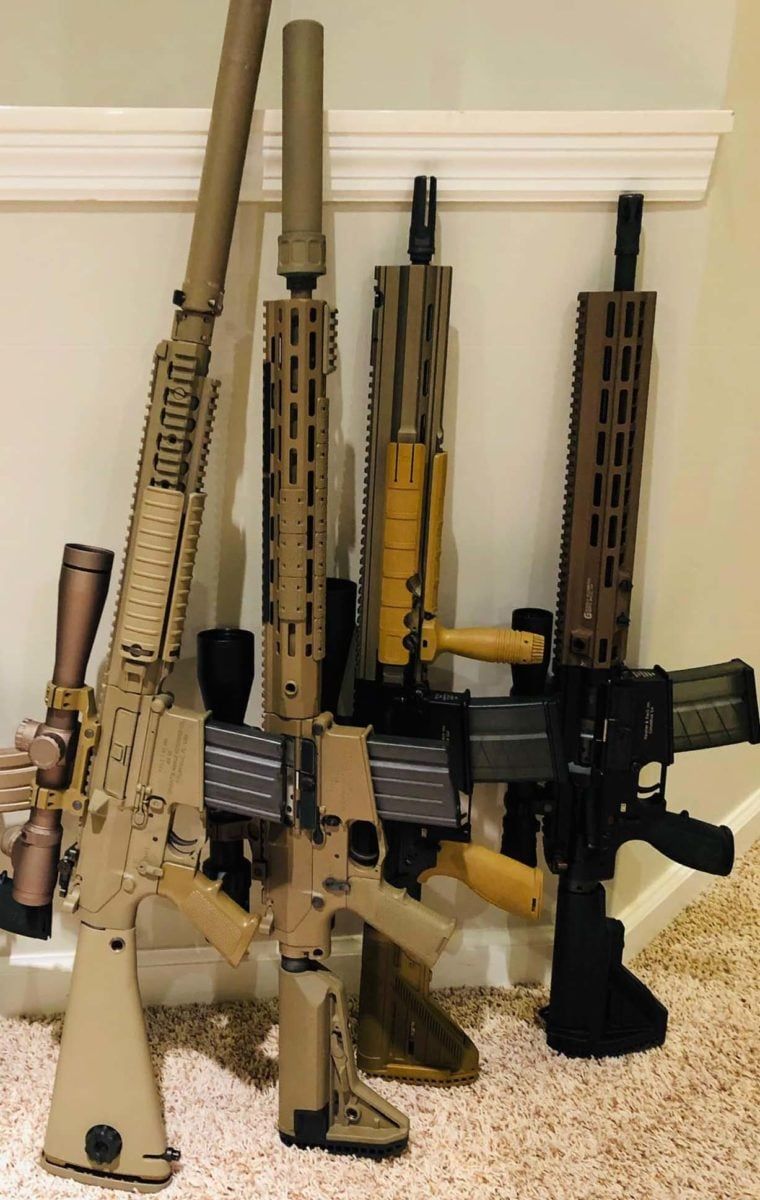
The receiver is typically made from aluminum, though it is slightly larger to accommodate bigger cartridges. Inside it, the bolt carrier group cycles rounds during firing. This movement must be smooth and consistent. Even minor issues can affect reliability. Precision is essential.
Handguards on large-frame uppers often provide more surface area for grip and accessory mounting. Many are free-floating designs, which help improve accuracy by reducing pressure on the barrel. This design is popular among those aiming for tighter groupings. Small improvements can have noticeable results.
Choosing the Right Configuration for Your Needs
Selecting the right setup depends on intended use. Some users build for long-range shooting, while others prefer a more general-purpose configuration. Barrel profile, gas system length, and material all influence performance. These details should be considered carefully.
Many online retailers provide options and specifications, including listings for an ar10 upper that show different barrel lengths, finishes, and configurations for various applications. Reviewing these options helps users compare features before making a decision. It also reduces the chance of mismatched parts. Planning ahead helps.
Gas system length is especially important in larger calibers. Rifle-length systems are common and provide smoother recoil compared to shorter systems. This can improve comfort during extended shooting sessions. The difference becomes clear after firing 50 or more rounds. Small changes affect experience.
Performance and Accuracy Considerations
Accuracy in large-frame AR platforms depends heavily on barrel quality and alignment. A well-made barrel with consistent rifling can improve shot placement at long distances. Even small variations can affect results at 500 yards or more. Precision is critical.
Ammunition choice also plays a role. Heavier bullets are often used in these platforms and interact differently with barrel twist rates. A twist rate like 1:10 is common for stabilizing heavier projectiles. Testing different loads helps determine the best match. Results can vary.
Recoil is more noticeable in larger calibers. The upper assembly influences how that recoil is managed. Components like muzzle devices and gas systems can help reduce felt recoil. This improves control during repeated shots. Comfort matters.
Maintenance and Long-Term Care
Keeping the upper assembly clean is essential for reliable operation. Carbon buildup can occur in the barrel and gas system after extended use. Regular cleaning helps prevent malfunctions. It does not take long. Consistency is key.
Lubrication is also important for moving parts like the bolt carrier group. Proper oiling reduces friction and wear. Too much oil can attract dirt, which may affect performance. Balance is necessary. Many users follow a routine after each session.
Inspection should be done regularly. Parts may show wear after several hundred rounds, especially under heavy use. Checking for signs of damage helps maintain reliability. Small checks can prevent larger issues. Attention helps.
Customization and Upgrade Options
The large-frame AR platform allows for many customization options. Users can choose different barrels, handguards, and accessories to suit their needs. Some upgrades focus on improving accuracy, while others aim to reduce weight or enhance handling. Choices are wide.
Here are a few common upgrade ideas:
– Installing a free-floating handguard to improve barrel stability and reduce interference during firing sessions.
– Selecting a heavier barrel profile for better heat management and consistent accuracy during long shooting sessions.
– Adding a muzzle device to help manage recoil and improve control during repeated shots.
Each upgrade changes how the system behaves. Testing after modifications ensures proper function. Some changes may require adjustments to other components. Careful planning helps avoid issues. Details matter.
Safety and Legal Awareness
Understanding laws related to firearm components is essential before making a purchase. Regulations can vary depending on location and may affect what configurations are allowed. Checking local rules helps avoid complications. This step should not be skipped.
Safe handling practices must always be followed. Even when working on individual components, proper precautions are necessary. Keeping the firearm unloaded and pointed in a safe direction reduces risk. Accidents can happen. Awareness is important.
Training improves both safety and skill. Many people attend courses to learn proper handling and maintenance techniques. These sessions often include hands-on instruction. Learning from experienced instructors builds confidence. It supports responsible use.
The upper assembly in a large-frame AR platform plays a central role in performance, influencing accuracy, recoil, and overall handling, and understanding its components, maintenance needs, and customization options allows users to make informed decisions while supporting safe and consistent operation over time.